Finance for waste, recycling and environmental services businesses
Collection fleets, processing plant and environmental service equipment are heavy, specialised and expected to work every day. This hub sets out how the main funding routes apply to each, and what needs checking before any money is borrowed.
Explore the topics in this hub
Three operating models, three sets of questions
Collection businesses run skip loaders, hook loaders, refuse collection vehicles and supporting containers. The key finance questions concern the chassis and body together, how vehicles are deployed across rounds or contracts, and what happens if a vehicle is off the road.
Recycling and processing operators run balers, shredders, screens, conveyors and sorting plant. Here the questions are about throughput, downtime, contamination in feedstock, and the volatility of what you can sell processed material for. Buying more plant does not create offtake prices or guarantee any recycling rate.
Environmental services businesses such as drainage, tank cleaning, monitoring and site remediation contractors use jetting units, tankers, CCTV survey kit, monitoring instruments and specialist cleaning equipment. Their needs differ from a collection fleet and should be assessed on their own terms.
- Skip, hook and refuse collection vehicles
- Balers, shredders, screens and sorting plant
- Drainage, cleaning and monitoring equipment
- Site works, mobilisation and working capital
Permissions sit alongside finance, not within it
In England, carrying, brokering or dealing in waste generally requires registration with the Environment Agency, while operating particular waste activities at a site may require an environmental permit or registered exemption. These are different things, and not every operation needs the same permission. Scotland, Wales and Northern Ireland have their own regulators. Check what applies to your activity and site before committing to equipment or premises; this page is not legal advice.
How the main finance types differ
Hire purchase usually leads to ownership once all required payments and any option fee are paid. A finance lease does not give automatic ownership. Both cost more in total than the cash price and allow repossession if payments are missed. Business loans are more flexible on purpose, but lenders will look closely at existing borrowing and downside cash flow.
Questions to answer before applying
Is this a fleet, plant or service equipment decision?
Vehicles, processing plant and environmental equipment are assessed differently. Start on the page that matches the asset rather than treating the whole business as one purchase.
Are permissions in place for the activity?
Confirm registrations, permits or exemptions for the activity and site. Finance does not provide or imply any of them.
What if prices or volumes fall?
Commodity prices, gate fees and feedstock volumes move. Test repayments against a weaker scenario.
Would refurbishing or hiring be better?
A rebuilt body, an overhauled baler or short-term hire may cost less than new equipment for some needs.
Costs and risks to weigh
- Total cost is higher than paying cash; compare the full amount repayable.
- Repossession and claims on personal guarantees or other security are possible if payments are missed.
- Early settlement can carry charges.
- Maintenance, insurance and support are not necessarily included.
- Contract renewals, tenders and framework places are not guaranteed work.
- Lender appetite for used and specialist equipment varies case by case.
Sorbus Finance is a broker, not a lender, and works with a selected panel of lenders rather than the whole market. Any offer, cost, deposit, security or guarantee requirement depends on the lender's assessment and the agreement itself. Ask for a written breakdown of lender charges and any broker fee. VAT and tax treatment depend on your business circumstances and structure; take advice from your accountant.
Lender and document checklist
- Itemised quotes for chassis, bodies, plant or equipment
- Recent accounts and management figures
- Business bank statements
- Existing finance and borrowing details
- Relevant registrations, permits or exemptions for the activity
- Main contracts and customer base
Related finance services
Sources worth reading
- British Business Bank: What is asset finance?
- British Business Bank: Business loans
- GOV.UK: Register as a waste carrier, broker or dealer (England)
- GOV.UK: Waste environmental permits (England)
GOV.UK waste guidance listed here applies to England; other UK nations have different authorities. Sources are general guidance, not lender terms or legal advice.
Who you could speak to
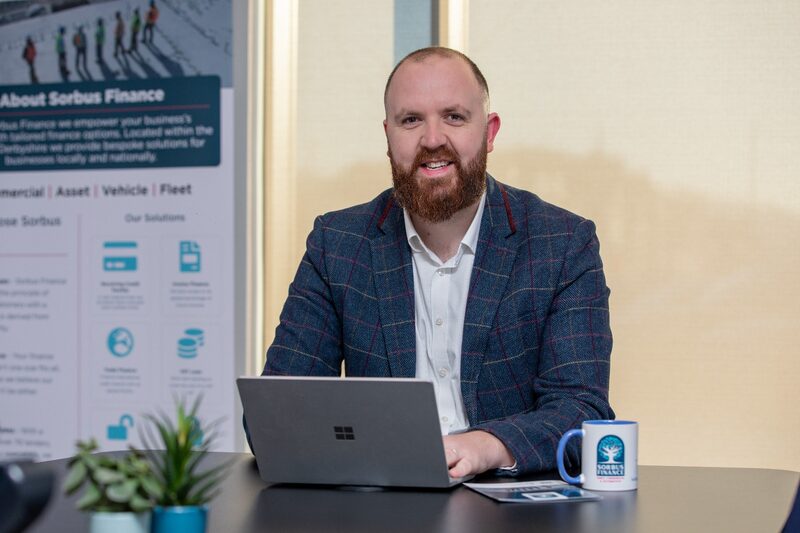
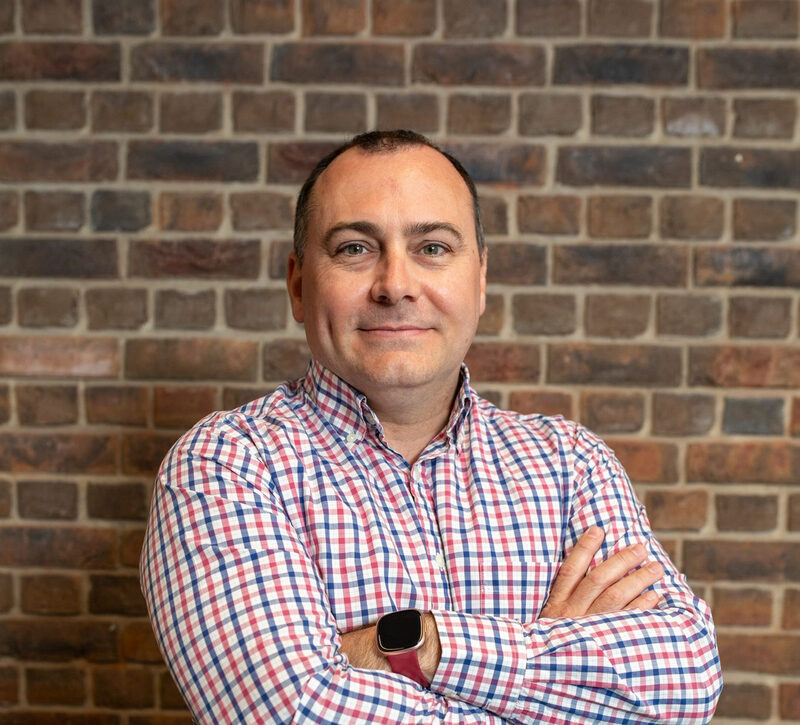
- STEP 1
A conversation with a broker
You talk to a real Sorbus broker about the business, the purpose and what is affordable. No application at this stage.
- STEP 2
Credit placement
If you choose to go further, we prepare the case and decide which lenders on our panel of 150+ are worth approaching.
- STEP 3
Lender assessment
The lender, not Sorbus, underwrites and makes the credit decision. Approval is never guaranteed.
- STEP 4
Documentation
If a lender offers terms and you accept, we help coordinate agreements and payout paperwork with you.
Every step after the first is optional. You can stop after the conversation. Sorbus is a broker, not a lender.
Client journey
Explore real client journeys
Read how real businesses approached a funding goal, what Sorbus arranged and what happened next.
Browse anonymised case studiesStart with a conversation
Tell us a little about what you need and who you would like to speak to. No obligation, no credit check at this stage. We aim to respond within one business day, Monday to Friday, 9am to 5:30pm.
Prefer to call?
Speak directly to an adviser Monday–Friday, 9am–5:30pm.
01246 383500Free call. No obligation.
Optional: Business Finance Health Check
Before applying for waste, recycling & environmental finance, understand your lending readiness, resilience score, and exit strategy, in under 5 minutes.
Take the short Health CheckFree · No credit check · Not required before you talk
Want the full picture? The full fact-find is longer and also optional.
Email us anytime
hello@sorbusfinance.co.ukFrequently asked questions
Can Sorbus Finance help a waste or recycling business?+
Yes. Sorbus Finance is a broker, not a lender. We help you prepare a case and approach suitable lenders from our panel. Any decision and terms are set by the lender.
Does financing a skip loader or baler authorise my operation?+
No. Waste carrier registration, environmental permits and exemptions are separate and depend on your activity and location.
Can I finance used waste vehicles or plant?+
Sometimes. Lenders assess age, condition, hours and supplier. Appetite varies case by case.
Asset finance or a business loan?+
Identifiable vehicles and plant are usually considered for asset finance. Site works and mobilisation costs are more often considered for a loan. Many operators use both.
Is invoice finance relevant to waste businesses?+
It may be where you issue invoices to eligible business customers on credit. It does not cover prospective work or uninvoiced income.
Will new recycling equipment improve my recycling rate?+
Equipment can support processing, but outcomes depend on feedstock, contamination, operation and markets. Finance does not guarantee recycling rates or carbon savings.
Planning fleet, plant or site investment?
Tell us what you run and what you want to add. We will help you work out which route is worth exploring.